 Image 1 of 5
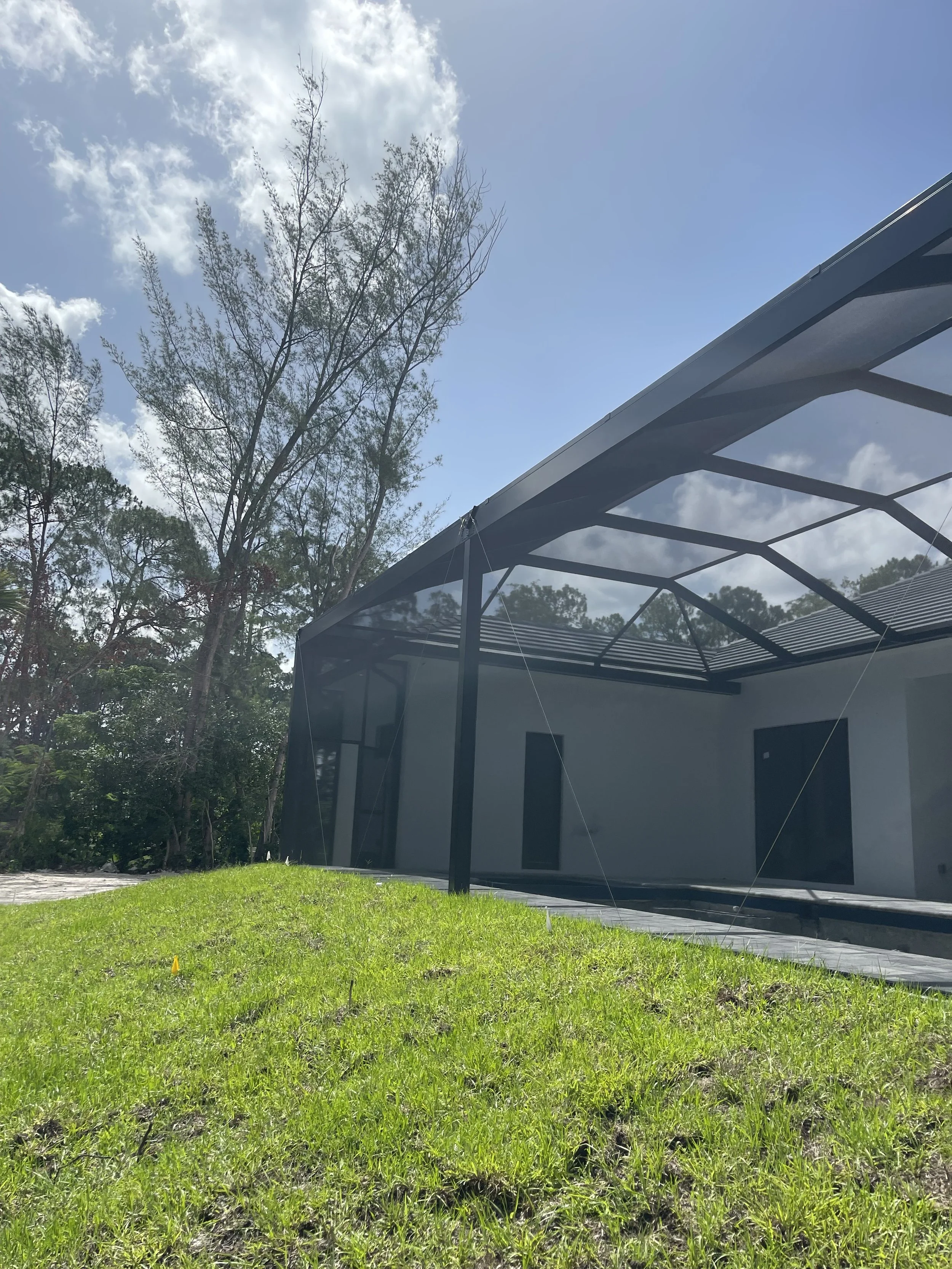 Image 2 of 5
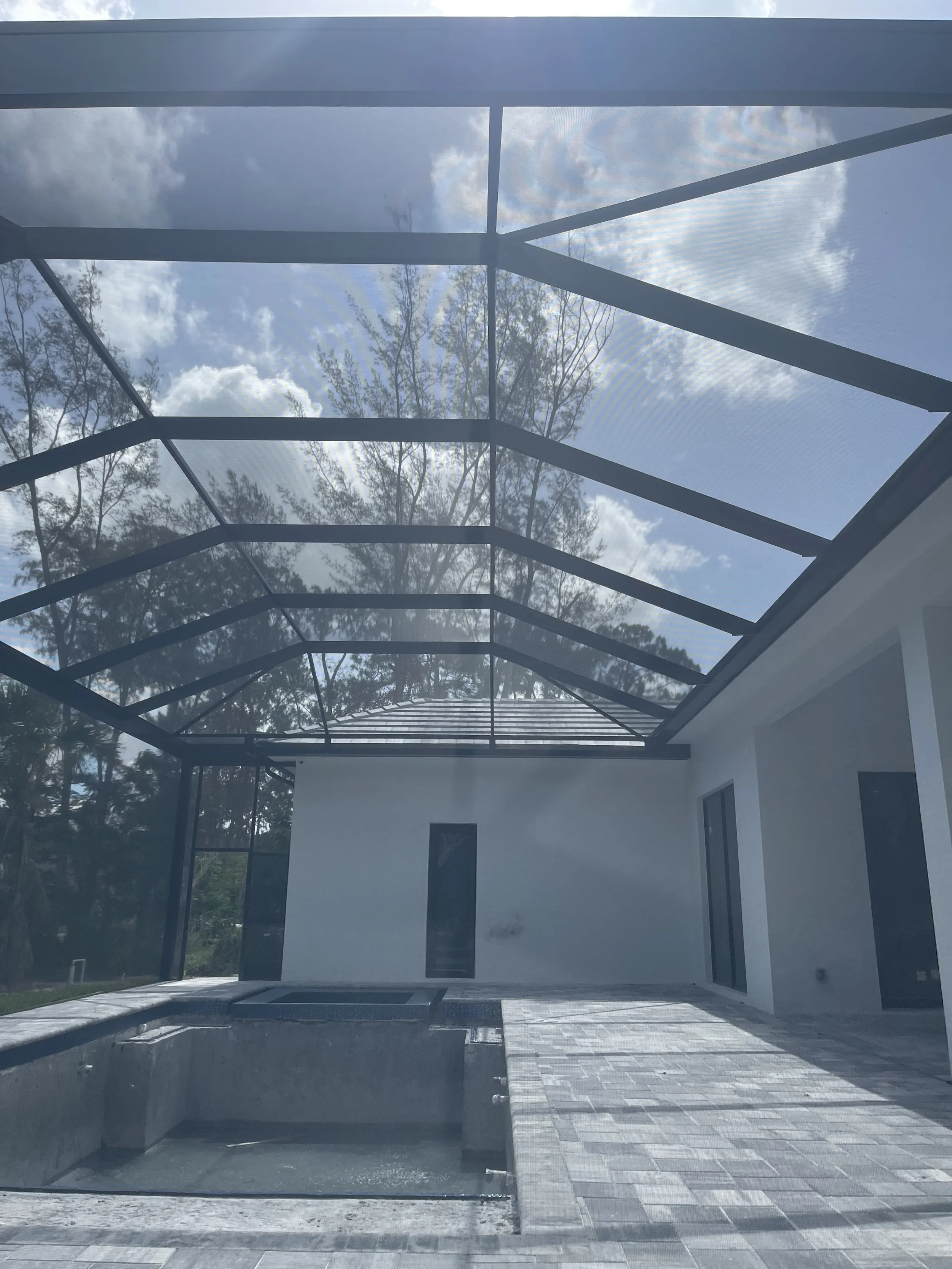 Image 3 of 5
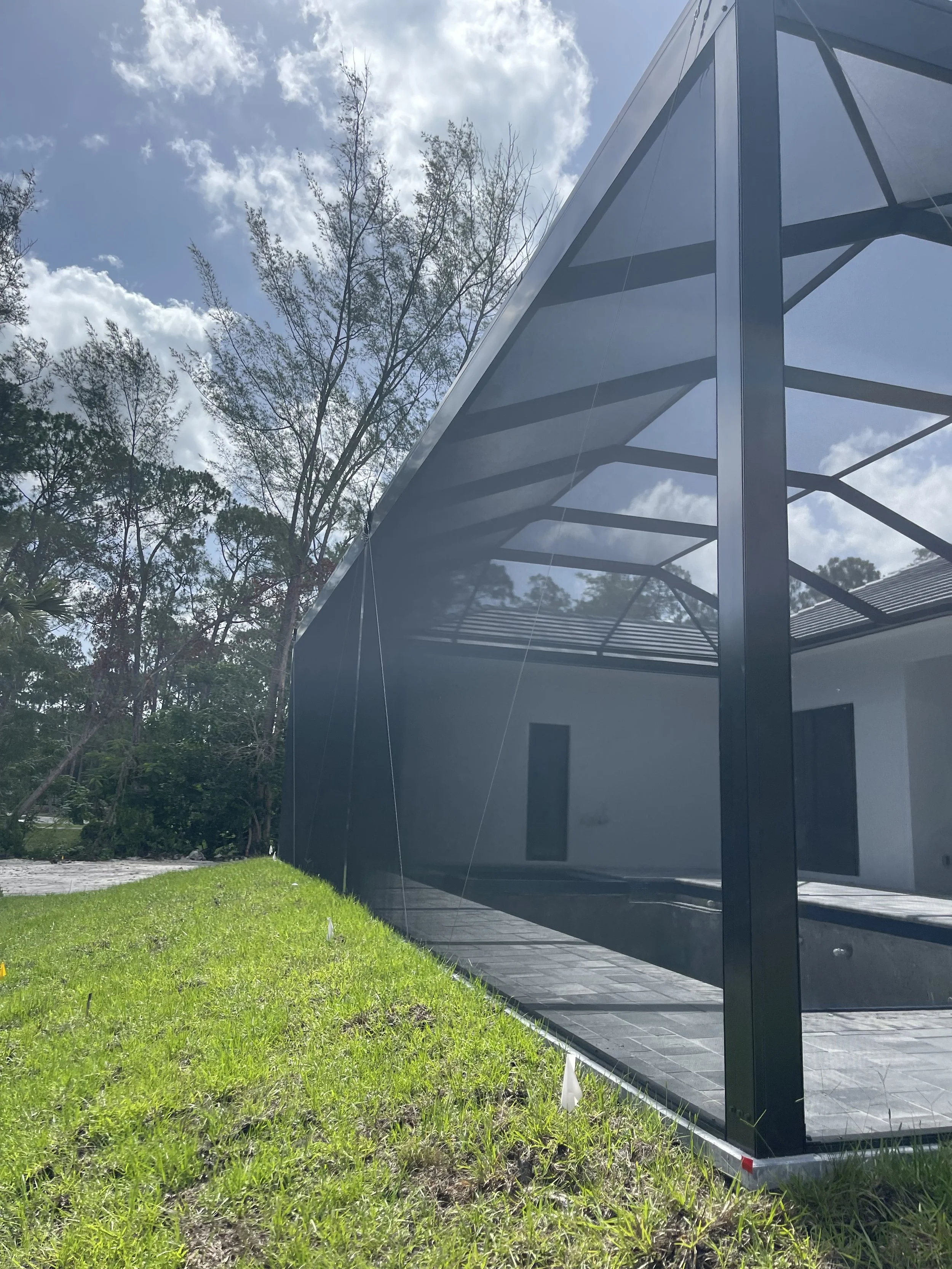 Image 4 of 5
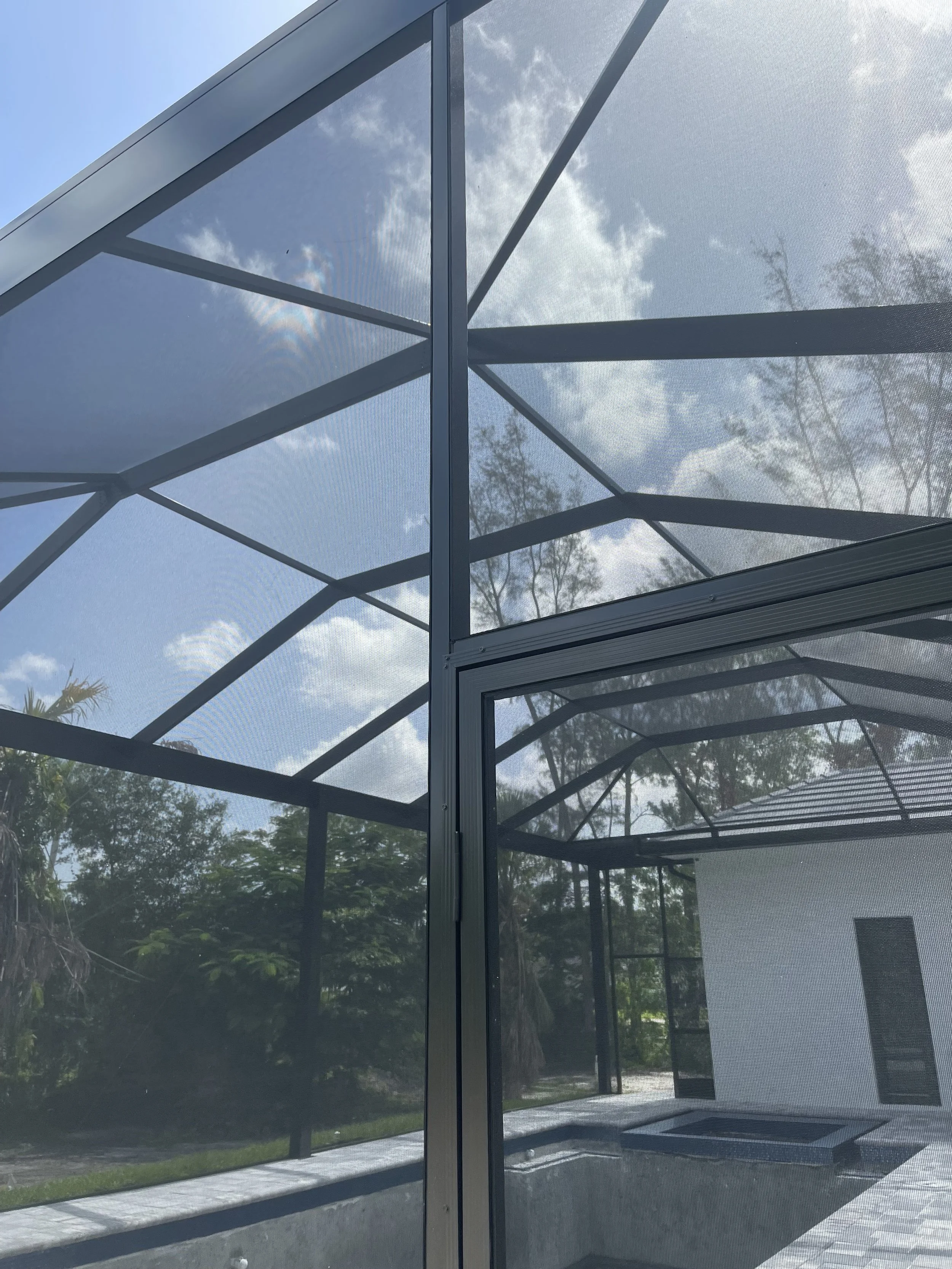 Image 5 of 5
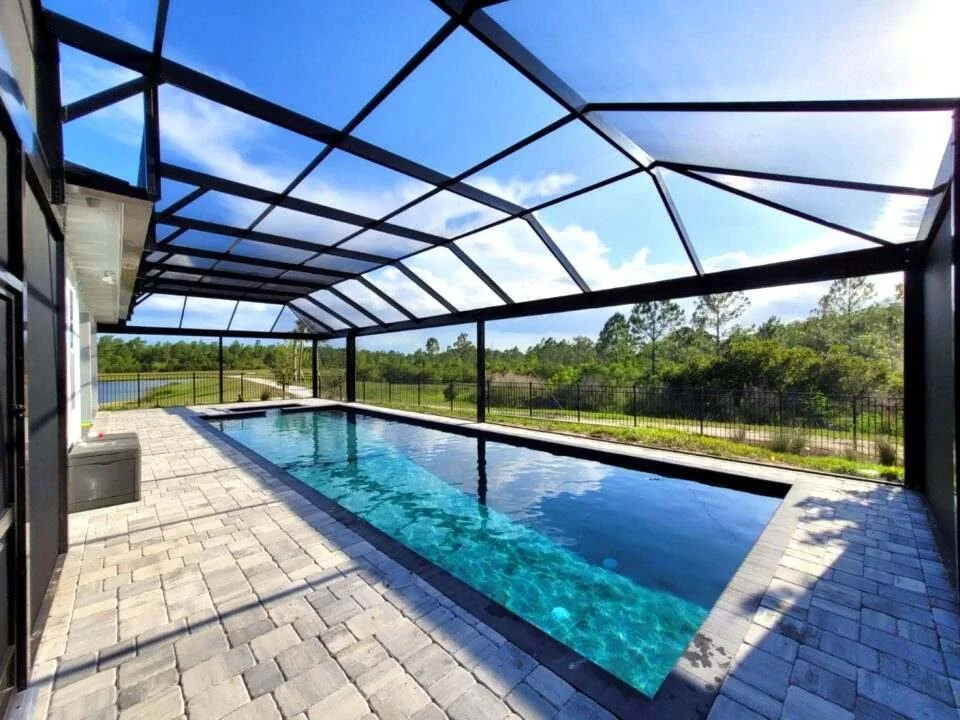
A pool enclosure is an investment in safety, comfort, and property value. Properly designed and installed, it extends your outdoor living season, reduces maintenance, and provides a secure, attractive barrier around your pool area.
Why choose a pool enclosure?
Safety: Prevents unsupervised access by children and pets, reducing drowning risk and liability.
Insect and debris protection: Keeps leaves, insects, and other debris out of the pool, lowering cleaning needs and chemical use.
UV and weather protection: Screens block some sunlight and wind, providing shade and reducing sun exposure while allowing airflow.
Extended usability: Creates a more comfortable environment for swimming and entertaining through seasonal temperature shifts and light rain.
Increased property value: A professionally installed enclosure is a desirable feature for buyers in many markets.
Types of pool enclosures
Screen enclosures: Lightweight aluminum frames with insect screening. Cost-effective, allow ventilation, and maintain an open-air feel.
Glass or acrylic enclosures: Provide greater weather protection and a clearer view. Can be framed or frameless; better for noise reduction and wind resistance.
Retractable enclosures: Offer flexibility—fully open when desired, enclosed during adverse weather. Available in manual or motorized systems.
Partial enclosures and lanais: Cover key areas like patios or poolside seating while leaving portions open to the sky.
Materials and construction
Frames: Typically aluminum for corrosion resistance and low maintenance. Steel or vinyl may be used in specific designs.
Screen options: Solar screens, insect mesh, or privacy screens, chosen based on sun protection and airflow needs.
Glazing: Tempered glass or polycarbonate panels for solid enclosures; polycarbonate is lighter and impact-resistant.
Fasteners and coatings: Non-corrosive hardware and powder-coated finishes increase longevity, especially in coastal environments.
Design considerations
Local codes and permits: Verify setback requirements, pool safety fencing laws, and permit needs before construction.
Wind and weather load: Design to withstand local hurricane or high-wind standards where applicable.
Drainage and grading: Ensure proper water runoff to avoid pooling around the pool or enclosure posts.
Access and egress: Include code-compliant gates and doors with self-closing and self-latching hardware where required.
Aesthetics: Choose frame colors, screen styles, and roof shapes that complement your home and landscape.
Ventilation and climate control: Consider ceiling fans, shade fabric, or partial solid roofing
A pool enclosure is an investment in safety, comfort, and property value. Properly designed and installed, it extends your outdoor living season, reduces maintenance, and provides a secure, attractive barrier around your pool area.
Why choose a pool enclosure?
Safety: Prevents unsupervised access by children and pets, reducing drowning risk and liability.
Insect and debris protection: Keeps leaves, insects, and other debris out of the pool, lowering cleaning needs and chemical use.
UV and weather protection: Screens block some sunlight and wind, providing shade and reducing sun exposure while allowing airflow.
Extended usability: Creates a more comfortable environment for swimming and entertaining through seasonal temperature shifts and light rain.
Increased property value: A professionally installed enclosure is a desirable feature for buyers in many markets.
Types of pool enclosures
Screen enclosures: Lightweight aluminum frames with insect screening. Cost-effective, allow ventilation, and maintain an open-air feel.
Glass or acrylic enclosures: Provide greater weather protection and a clearer view. Can be framed or frameless; better for noise reduction and wind resistance.
Retractable enclosures: Offer flexibility—fully open when desired, enclosed during adverse weather. Available in manual or motorized systems.
Partial enclosures and lanais: Cover key areas like patios or poolside seating while leaving portions open to the sky.
Materials and construction
Frames: Typically aluminum for corrosion resistance and low maintenance. Steel or vinyl may be used in specific designs.
Screen options: Solar screens, insect mesh, or privacy screens, chosen based on sun protection and airflow needs.
Glazing: Tempered glass or polycarbonate panels for solid enclosures; polycarbonate is lighter and impact-resistant.
Fasteners and coatings: Non-corrosive hardware and powder-coated finishes increase longevity, especially in coastal environments.
Design considerations
Local codes and permits: Verify setback requirements, pool safety fencing laws, and permit needs before construction.
Wind and weather load: Design to withstand local hurricane or high-wind standards where applicable.
Drainage and grading: Ensure proper water runoff to avoid pooling around the pool or enclosure posts.
Access and egress: Include code-compliant gates and doors with self-closing and self-latching hardware where required.
Aesthetics: Choose frame colors, screen styles, and roof shapes that complement your home and landscape.
Ventilation and climate control: Consider ceiling fans, shade fabric, or partial solid roofing